

Scotch Whisky Regions Explained for Bourbon Drinkers
If you love bourbon, Scotch can feel like a completely different world.
Less sweetness. Less oak. More variables.
But once you understand how Scotch is structured, it becomes easier—and far more rewarding—to explore.
This guide breaks down every major Scotch whisky region through a bourbon drinker’s lens, so you know exactly where to start and what to expect.
What Makes Scotch Different from Bourbon?
Before diving into regions, reset your expectations.
Bourbon is driven by:
- Corn sweetness
- New charred oak
- Vanilla, caramel, spice
Scotch is driven by:
- Malted barley
- Used casks (often ex-bourbon or sherry)
- Distillery character + aging environment
That means less overt sweetness—and more nuance.
Speyside — The Best Entry Point for Bourbon Drinkers
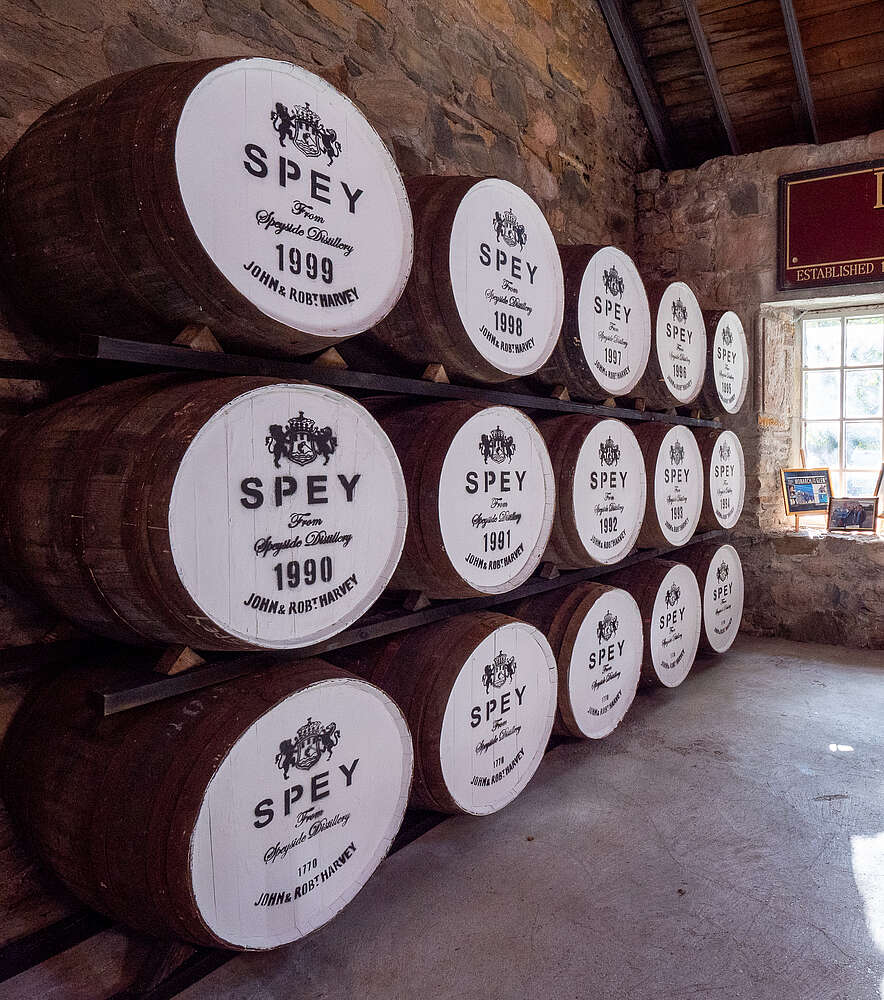

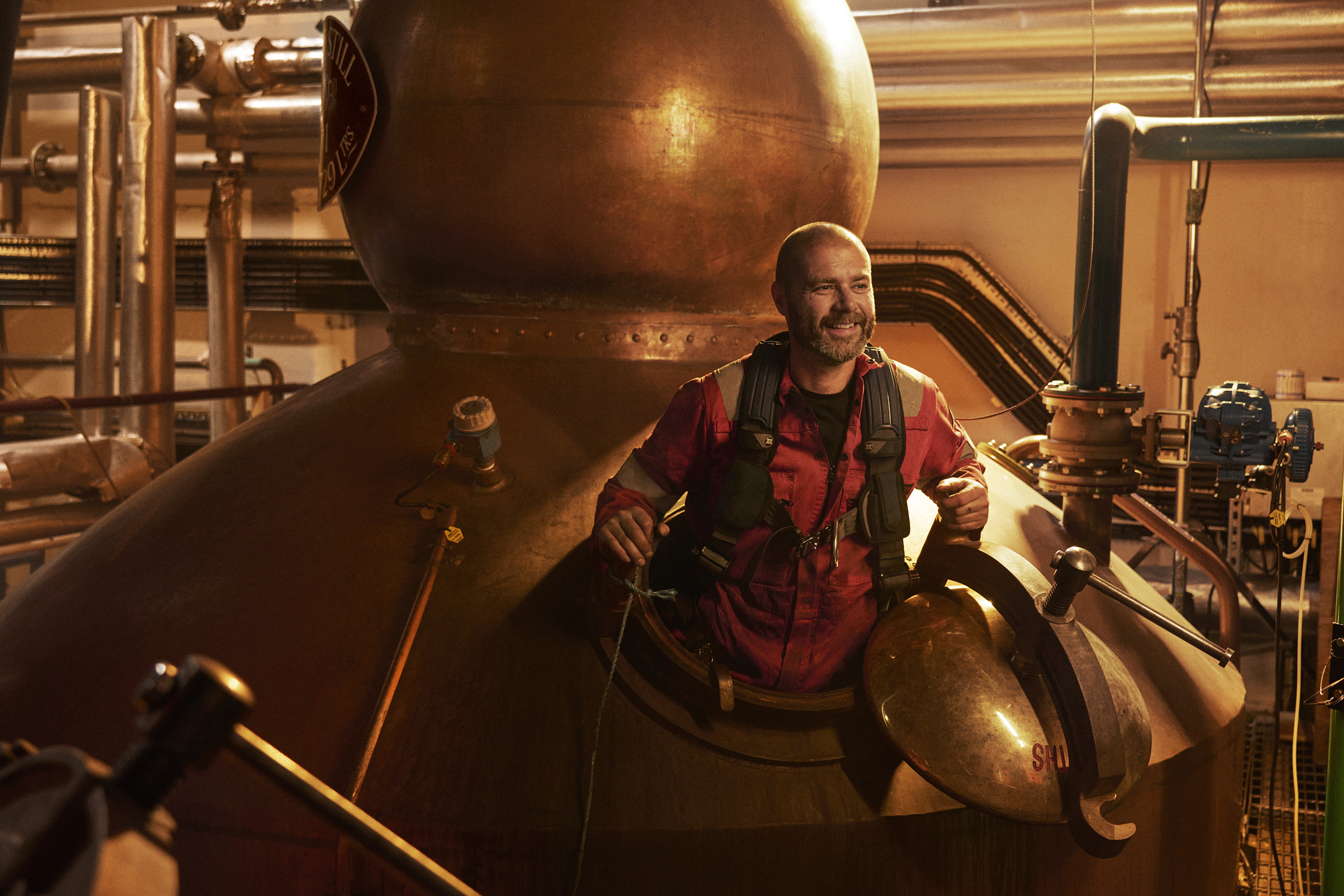
If you’re coming from bourbon, start here.
- Honey and vanilla
- Dried fruit and spice
- Rich sherry cask influence
These flavors closely mirror the sweetness and depth found in bourbon.
Top bottles to explore:
Why it works: Sherry casks recreate a dessert-like richness that bourbon drinkers already understand.
Highlands — Balanced and Expansive
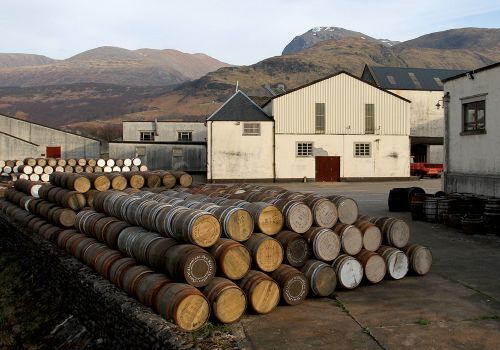
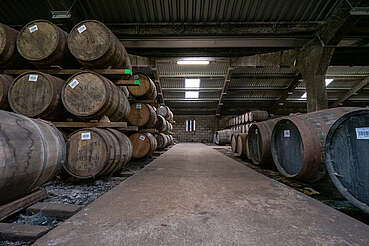
The Highlands are diverse, but generally offer:
- Orchard fruit (apple, pear)
- Honey and malt
- Light smoke in some expressions
Think of this region as the bridge between familiarity and exploration.
Top bottles to explore:
Why it works: Balanced profiles make it easy to transition from bourbon without losing complexity.
Islands — Coastal, Spicy, and Structured


Island whiskies introduce:
- Coastal salinity
- Peppery spice
- Light to moderate smoke
Top bottles to explore:
Why it works: More intensity than Speyside, but still approachable.
Campbeltown — Complex and Underrated


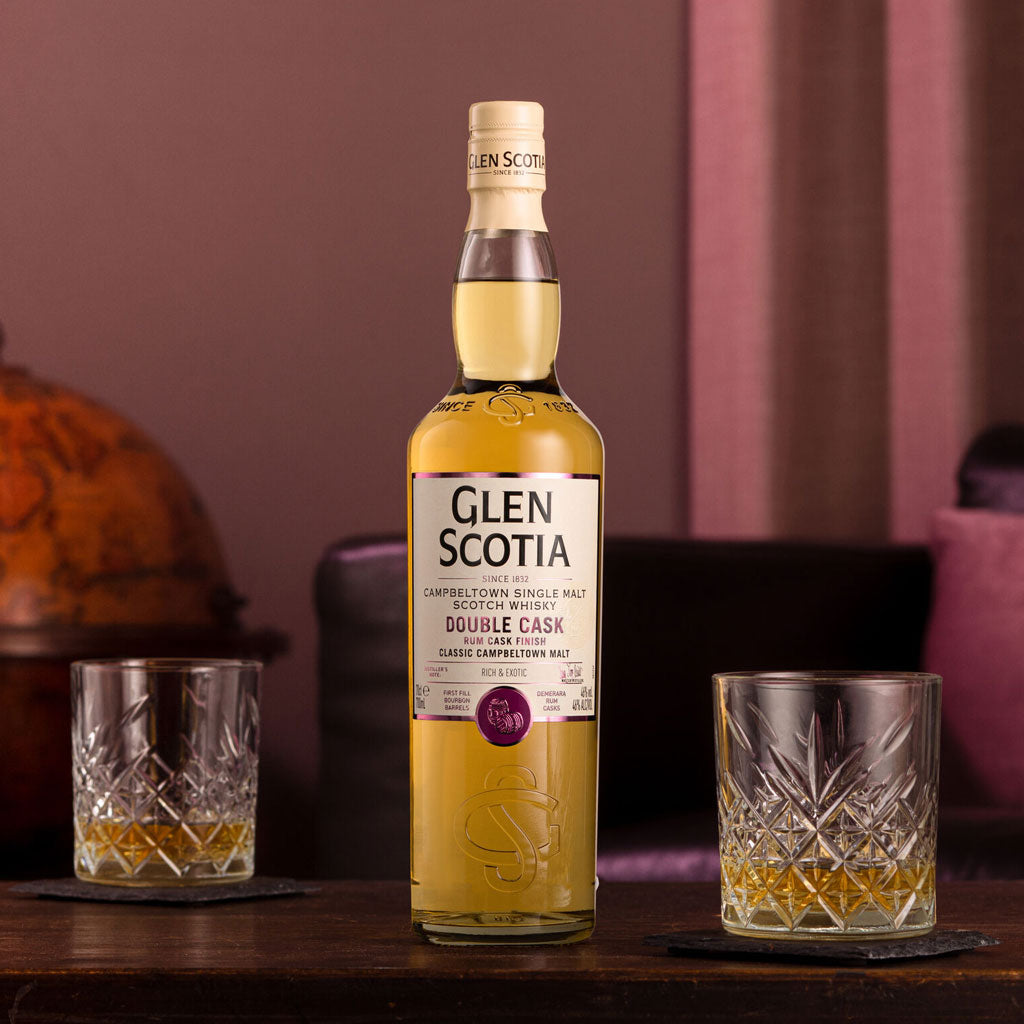
This small region delivers:
- Oily texture
- Brine and subtle smoke
- Funky, savory depth
Top bottles to explore:
- Springbank
- Glen Scotia
Why it works: For experienced palates looking for character over polish.
Islay — Bold, Smoky, and Polarizing

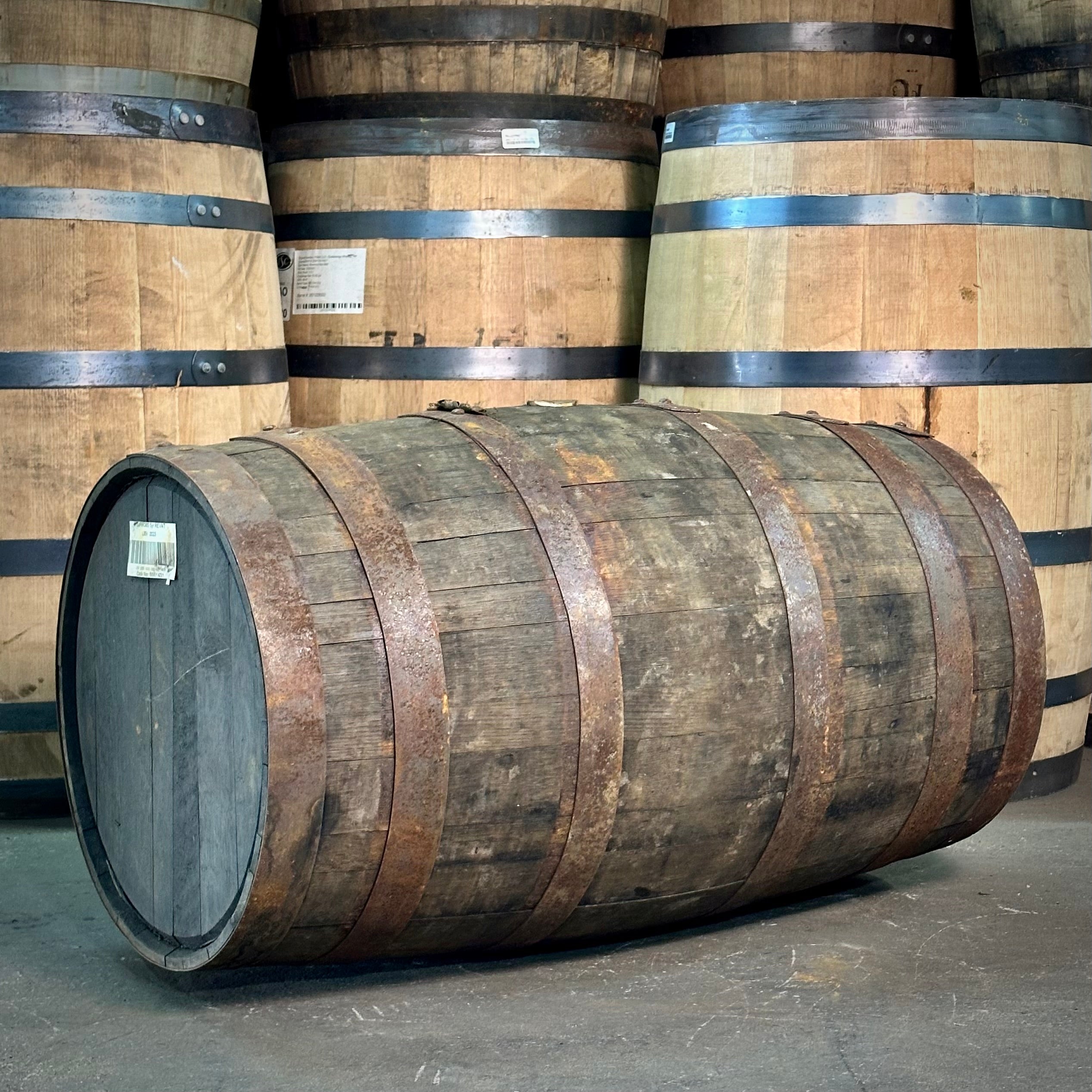
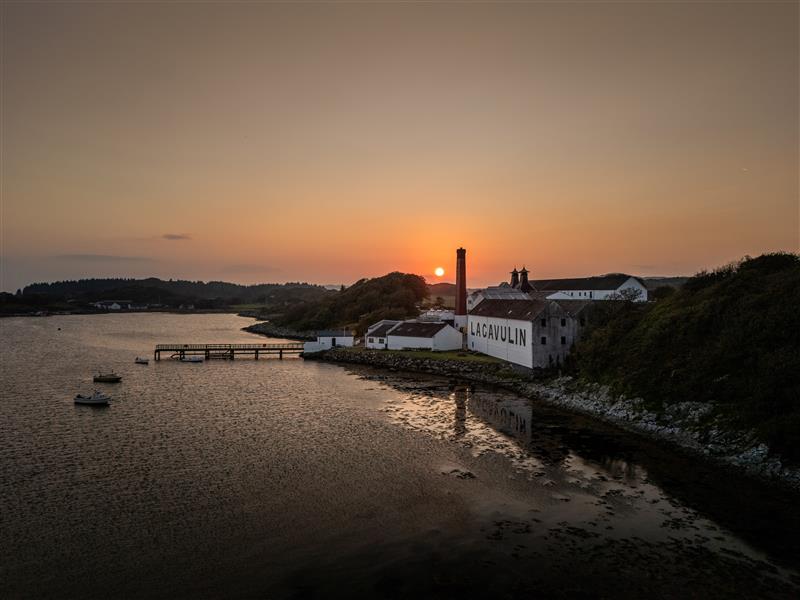
Islay is known for:
- Smoke and peat
- Maritime salinity
- Medicinal, earthy notes
Top bottles to explore:
Why it works: It doesn’t—until it does. This is an acquired taste.
Lowlands — Light and Approachable


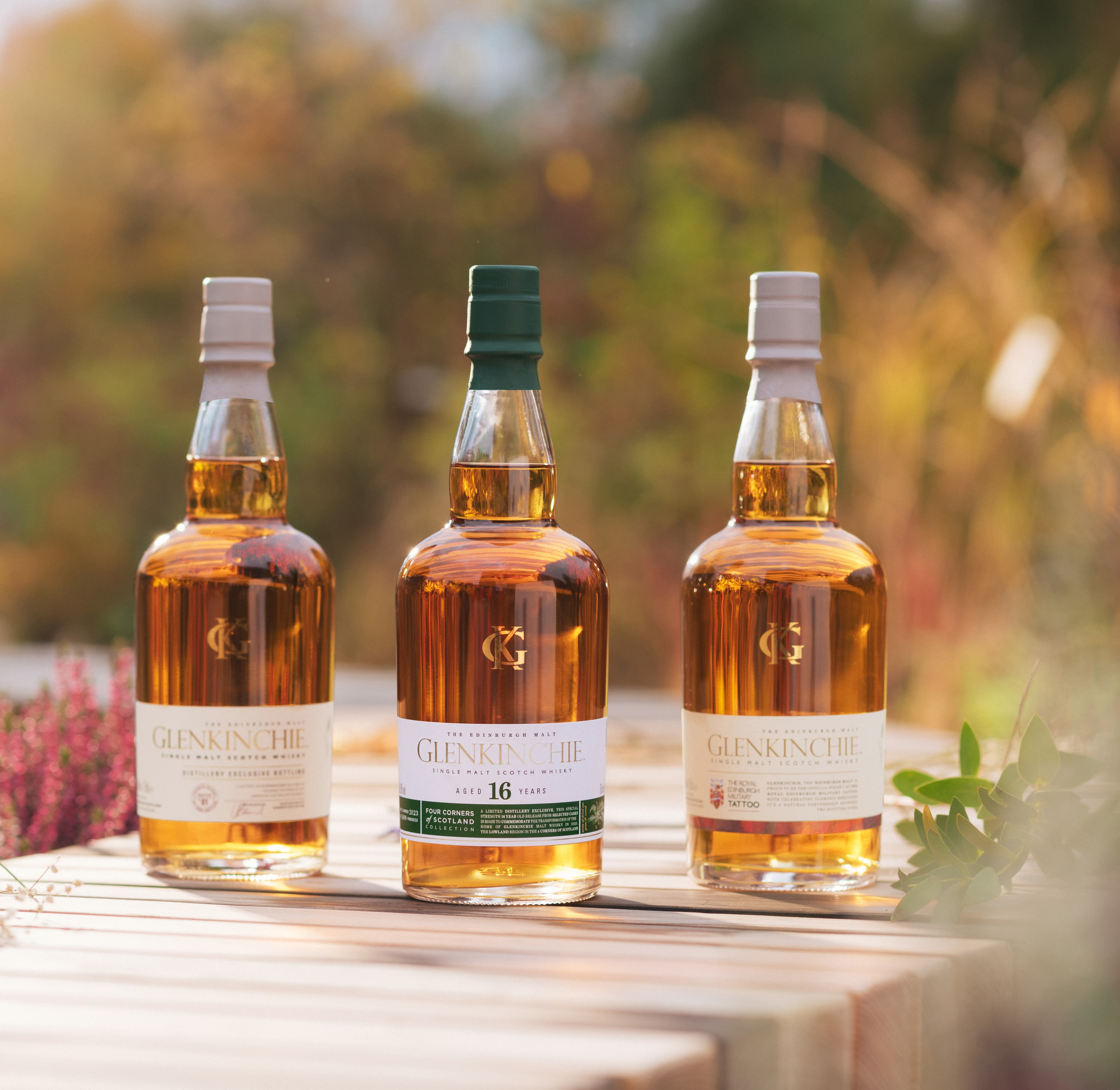
Expect:
- Light citrus
- Floral notes
- Clean, delicate finish
Top bottles:
- Auchentoshan
- Glenkinchie
Why it works: Easy drinking—but often too light for bourbon fans.
Where Should You Start? (Simple Path)
- Start with Speyside (sherry cask expressions)
- Move to the Highlands or Islands for complexity
- Explore Campbeltown for its uniqueness
- Finish with Islay if you want to challenge your palate
Final Thought
Scotch isn’t better than bourbon. It’s broader.
Once you adjust your expectations away from oak-driven sweetness, you’ll notice something else entirely:
Precision.
And that’s where the obsession begins.